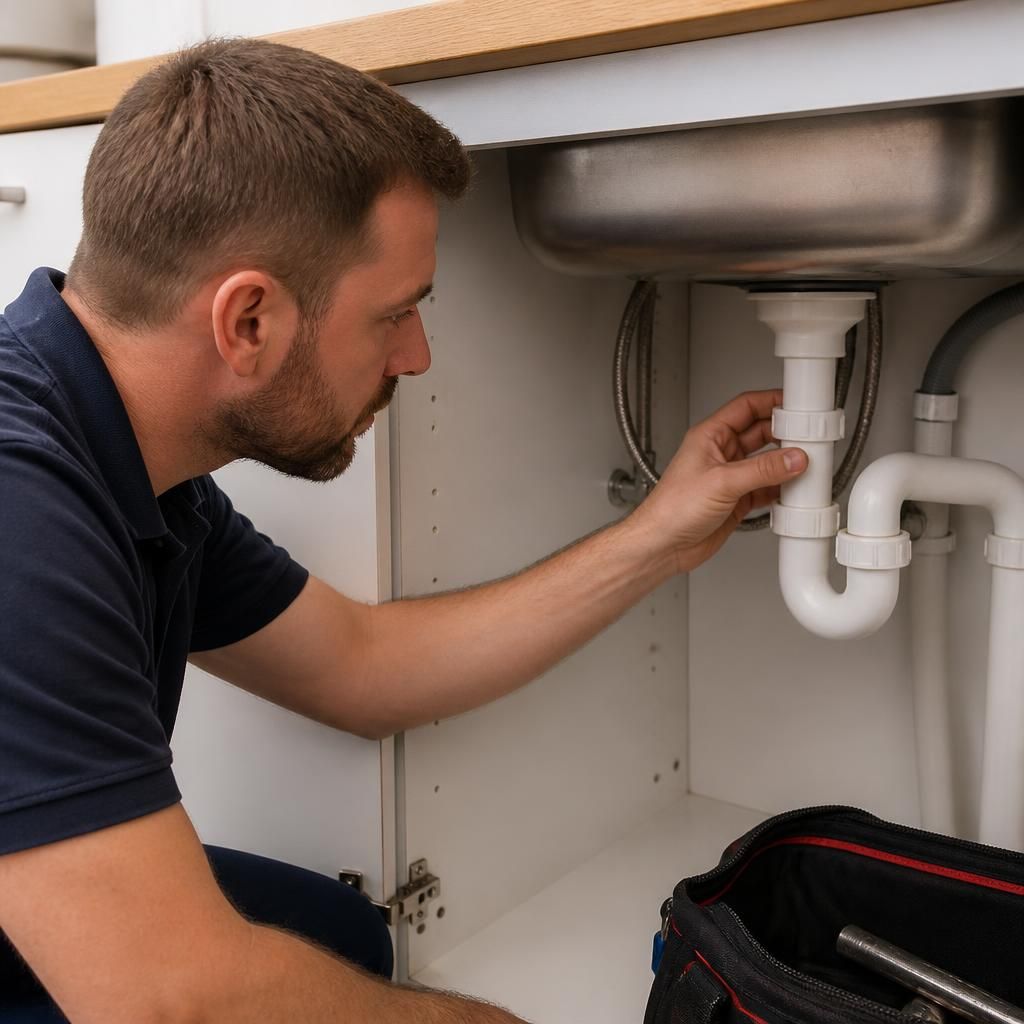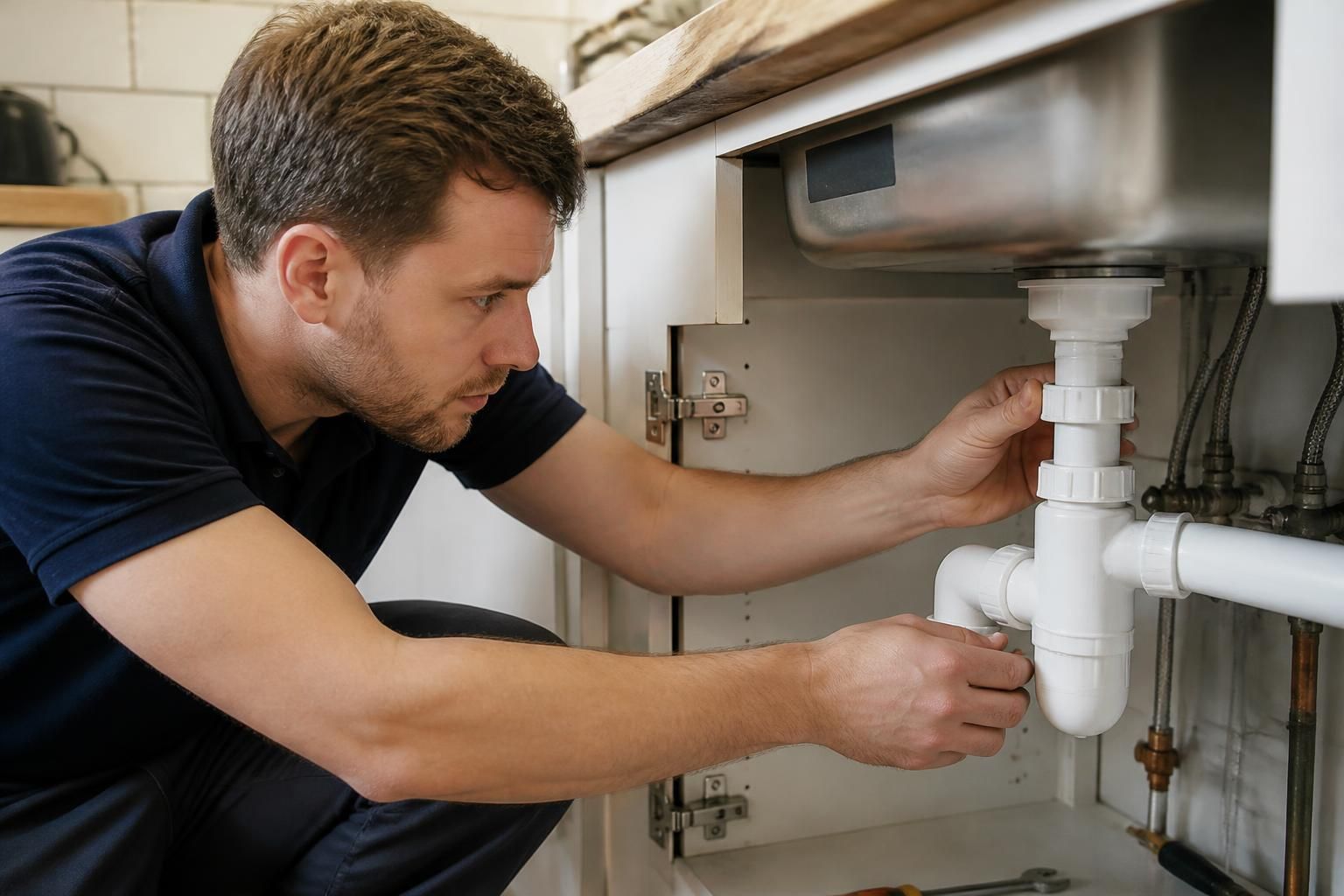
After a domestic water leak has been located, the priority is to move from investigation to controlled repair and safe reinstatement. The findings should be explained clearly, the repair requirement confirmed, and any affected materials monitored before walls, floors or ceilings are closed up or redecorated.
Confirming the extent of the problem
Finding the point where water is escaping does not always show the full extent of the damage. Water can travel along pipework, behind units or beneath flooring before becoming visible. A proper follow-up assessment should therefore consider whether nearby areas have also been affected and whether the original leak has caused secondary problems such as staining, swollen materials, damaged sealants or musty odours.
It is also important to establish whether the identified defect is the complete cause. For example, a failed fitting may explain the immediate water loss, while a separate issue with a seal, joint or connected appliance may need attention to reduce the risk of another leak.
Agreeing the repair
The repair depends on the type of pipework or fitting involved, its position and the condition of the surrounding materials. The work may involve replacing a faulty component, resealing a connection or renewing a damaged section of pipe. If access has been made through a panel, cupboard or other finish, the access requirements should be explained before work begins.
Ask for a clear description of the recommended work and an itemised quotation where appropriate. This should distinguish the repair itself from any additional work, such as replacing damaged flooring, removing saturated materials or making good an opening. Understanding what is included helps homeowners, landlords and tenants make informed decisions and avoid confusion over the final cost.
Managing moisture after the repair
Repairing the source stops further water escaping, but affected materials may still contain moisture. Drying should be allowed to continue for as long as necessary, with ventilation and suitable drying equipment used safely. Furniture and stored items may need to be moved away from damp surfaces so that air can circulate.
- Do not cover damp walls or floors with paint, sealant or new flooring before they have been assessed.
- Use electrical drying equipment only in suitable conditions and keep cables and plugs away from wet areas.
- Avoid directing intense heat at plaster, timber or flooring, as rapid drying can cause cracking, warping or other damage.
- Check concealed spaces, cupboards and the underside of flooring for continuing dampness or odours.
Moisture may not be obvious once the surface looks dry. If staining returns, paint blisters, flooring lifts or a musty smell develops, the area should be investigated again rather than simply covered over.
Recording damage and dealing with insurance
Photographs and notes can be useful before damaged materials are removed or repaired. Keep copies of any detection findings, quotations, invoices and photographs, and check the terms of the relevant home or landlord insurance policy before authorising non-essential replacement work. An insurer may request evidence of the cause, the repairs carried out and the condition of the affected area.
Tenants should report the leak and any resulting damage to the landlord or managing agent, following the reporting process in the tenancy agreement. Landlords should record the incident, arrange appropriate repairs and consider whether neighbouring rooms or properties could also have been affected.
Checking the repair and restoring the room
Once the repair has been completed, the relevant installation should be checked for signs of further leakage under normal use. Fixtures, access panels and pipe connections should remain accessible where future inspection may be needed. Reinstatement, such as replacing plasterboard, flooring or cabinetry, is best completed only after the area has dried sufficiently and the repair has been verified.
Reducing the chance of a repeat leak
Preventive steps depend on what caused the original failure. They may include checking accessible joints and appliance connections, replacing worn seals, protecting vulnerable pipework from freezing conditions and avoiding strain on exposed fittings. Keep stop valves accessible and make sure household members know where they are, so the water supply can be controlled if another problem occurs.
A located leak should therefore be treated as the start of the repair process, not the end of the incident. Proper follow-up combines an accurate repair, careful moisture management, suitable records and practical measures to reduce the likelihood of further damage.