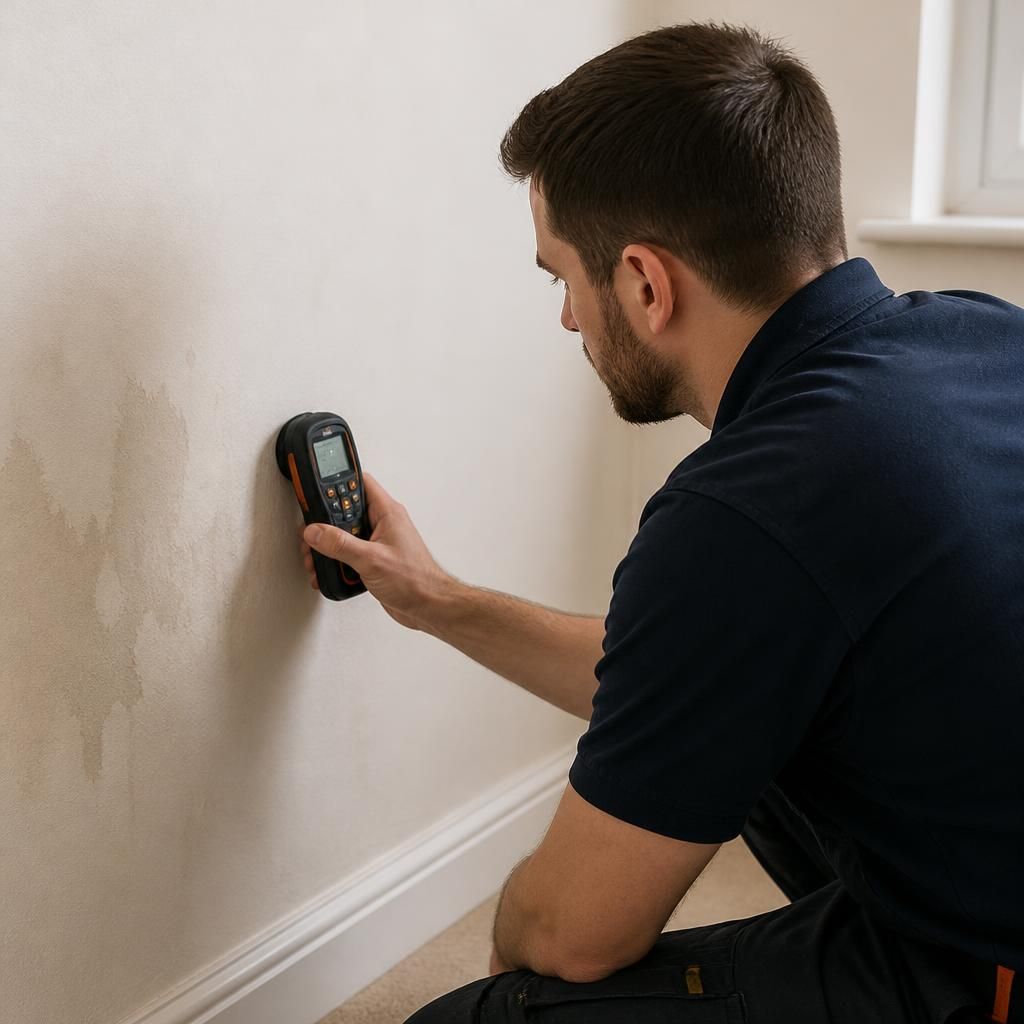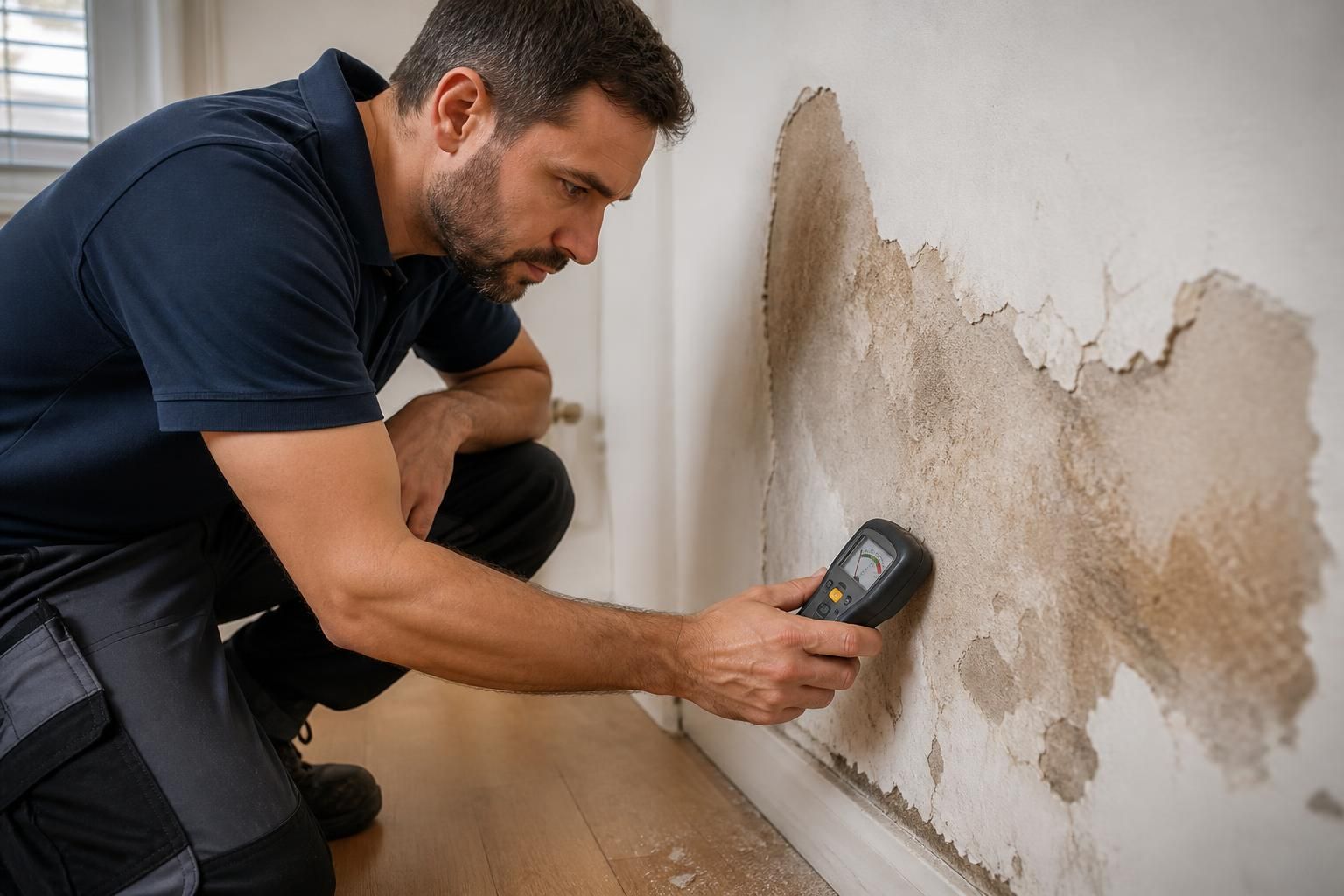
Water leak detection and repair costs are made up of two separate stages: locating the source of the leak and carrying out the necessary repair. The final price depends on the type of property, how accessible the pipework is, the equipment needed to identify the fault and whether additional work is required to restore the affected area. A fixed price cannot be given responsibly until the leak has been assessed.
What you may be paying for
- Initial assessment: A plumber will inspect visible pipework, fittings, appliances, water pressure and signs such as damp, staining, mould or unexplained water use.
- Leak detection: Where the source is not visible, specialist methods may be needed. The appropriate method depends on whether the suspected leak is beneath a floor, inside a wall, under external ground or within a central heating system.
- Access to the pipework: A leak that can be reached through an existing access panel may require less work than one beneath flooring, behind plasterboard or within a solid wall. The cost of making safe and restoring access should be clarified before work begins.
- Repair or replacement: A straightforward repair to a joint, valve or exposed section of pipe is different from replacing damaged pipework or several related components.
- Making good: Plumbing charges may not include decorating, plastering, tiling, flooring or specialist drying after the repair. Ask which reinstatement work is included and which would need to be arranged separately.
Why concealed leaks can cost more
A hidden leak is often more involved because the plumber must identify its position without unnecessarily opening up the property. Damp marks do not always appear directly above the fault: water can travel along joists, behind walls or beneath flooring before becoming visible. Detection can therefore prevent avoidable disruption, but the cost still depends on the layout and construction of the affected area.
Leaks from heating systems may also need a different diagnostic approach from leaks on the mains or domestic water supply. The plumber may need to distinguish between a leaking appliance, a pressure-related fault, a failed fitting and a damaged section of pipe. This helps ensure that the repair addresses the cause rather than only the visible symptom.
What can affect the repair price
- The location and size of the leak
- Whether the pipework is visible, buried or difficult to reach
- The pipe material, age and condition
- Whether water has damaged surrounding building materials
- Whether isolation valves work correctly
- Whether specialist detection equipment is required
- Whether a temporary repair or a more durable replacement is appropriate
- Whether other faults are found during the inspection
A leak may sometimes be repaired locally rather than by replacing an entire run of pipework. That decision depends on the condition of the surrounding pipe, the position of the fault and the likelihood of further failure. Replacing only a damaged fitting can be suitable where the remaining installation is sound; extensive corrosion or repeated failures may make a larger replacement more practical.
How to compare quotations
When requesting a quotation, ask whether it covers the diagnostic visit, detection equipment, labour, materials, access work and testing after the repair. It is also useful to check whether the price is fixed or based on an hourly rate, whether there is a separate charge if the leak cannot be confirmed during the first visit and whether VAT is included.
An itemised quotation should explain the recommended repair and identify any optional work. If opening a wall or floor is likely, ask who is responsible for reinstatement and whether the quote covers only plumbing repairs. This makes it easier to compare like-for-like prices rather than choosing based only on the initial call-out figure.
What to do before an assessment
If water is actively escaping, turn off the internal stop tap if it is safe to do so, switch off nearby electrical equipment and move belongings away from the affected area. Do not remove flooring, walls or boxing-in before the leak has been assessed, as this may make it harder to identify the original source. Keep photographs of visible damage and note when the symptoms began, as this information can help with diagnosis and any insurance claim.
Ideal Plumbing Services provides leak assessment and repair for homeowners, landlords and tenants, with charges explained before authorised work proceeds. The company’s experience of residential plumbing faults can help determine whether a targeted repair is appropriate or whether more extensive pipework attention is needed.