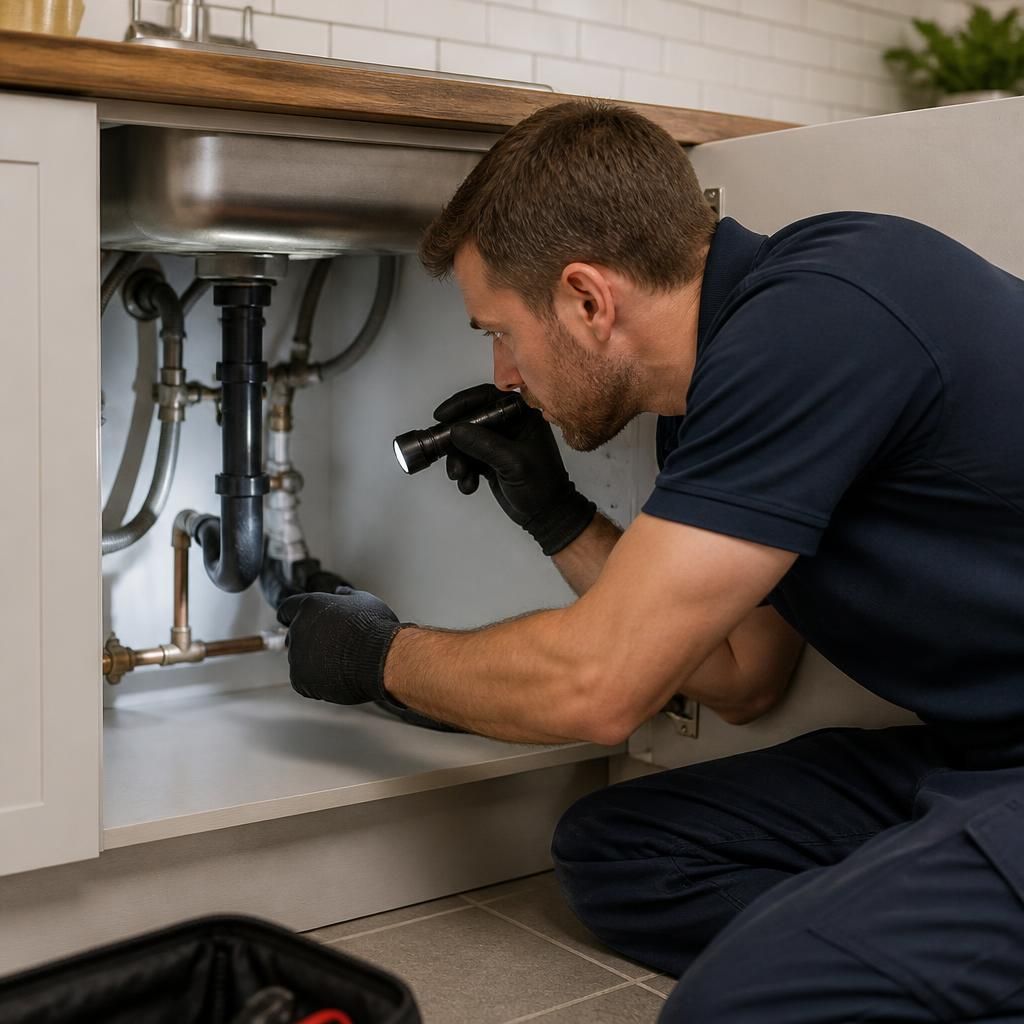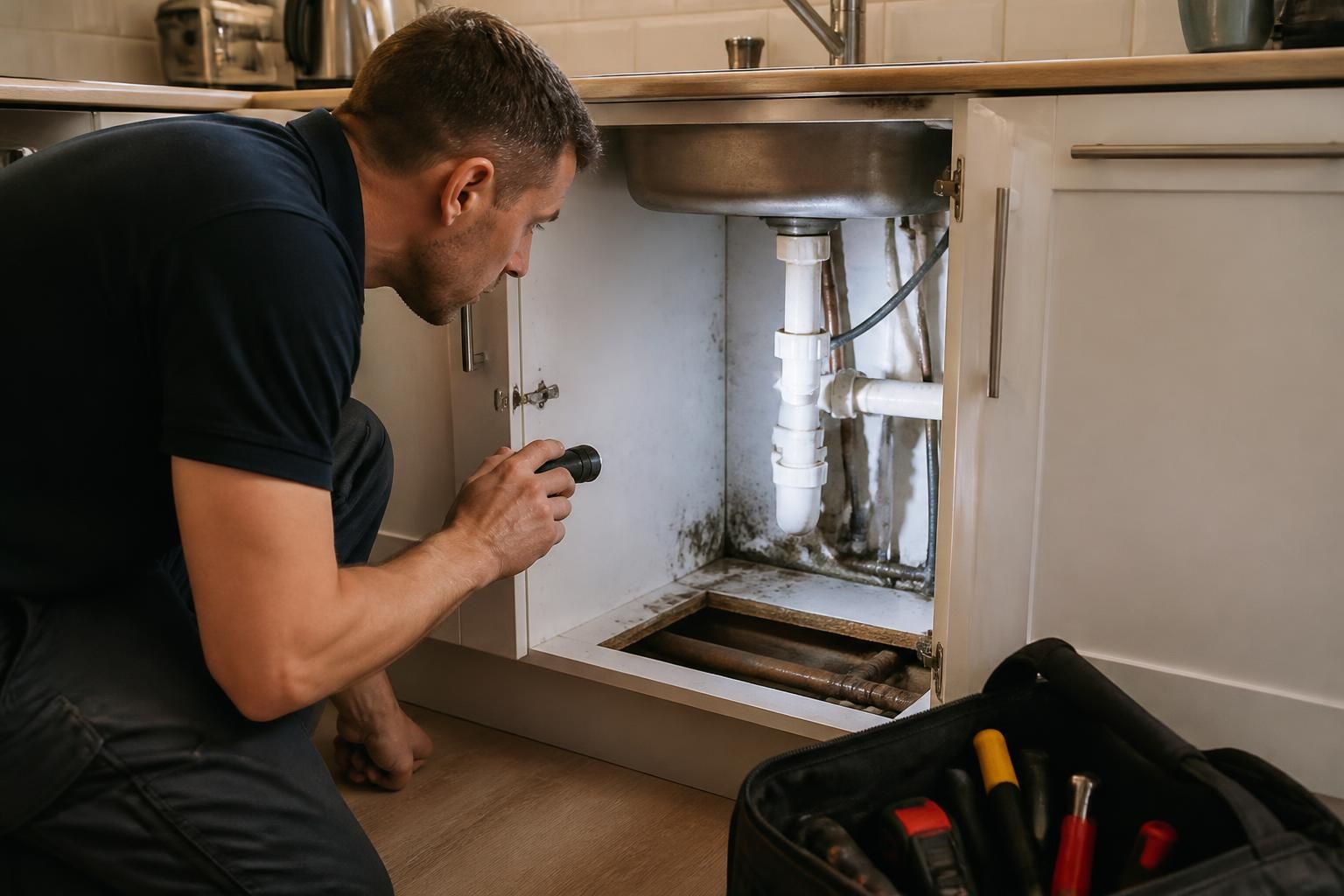
Before arranging water leak detection, preserve useful evidence, collect information about the property and check for immediate safety risks. Good preparation helps the plumber assess whether the suspected source may be connected to the mains water system, a heating installation, a waste pipe or an appliance, while reducing the need for unnecessary disruption during the inspection.
Document the evidence
Take clear photographs of staining, bubbling paint, lifted flooring, damaged plaster, mould growth or any visible pipework. Include wider images showing where the affected area is located, as well as close-ups of the damage. If the appearance changes, keep a simple record of what you observe and when it changes. This can help distinguish an ongoing leak from residual moisture left after an earlier problem.
Where practical, check the water meter at different times when the property is not using water. A change in the reading can provide useful information, but it does not identify the location or cause of a leak by itself. Avoid relying on sound alone, since water can travel along joists, behind walls or beneath floors before becoming visible.
Gather relevant property information
- Note the locations of stopcocks, water meters, boilers, hot-water cylinders and accessible inspection points.
- Find any available plans, photographs or records showing concealed pipe routes, extensions or previous alterations.
- List recent plumbing, heating, roofing or building work that may have affected pipework.
- Record whether the property has underfloor heating, a water softener, an unvented cylinder or appliances connected to the water supply.
- Keep details of previous leaks, repairs and insurance claims available if they relate to the current problem.
This information is particularly useful in older properties, converted buildings and homes where pipework has been altered over time. It may help narrow down possible routes without assuming that the nearest damp patch is directly above the leak.
Do not interfere with concealed pipework
Avoid lifting flooring, removing plasterboard, drilling into walls or opening fitted units before the inspection unless there is a separate safety reason to do so. Unplanned access can damage pipes, destroy evidence of the leak and create additional repair work. Do not apply sealant or make a temporary alteration that could change the flow of water before the source has been assessed.
It is also sensible to avoid using fixtures or appliances connected to the suspected pipework where doing so causes water to appear or increases damage. If the suspected leak is near electrical wiring, sockets or electrical equipment, keep away from the affected area and seek appropriate professional assistance rather than testing it yourself.
Consider access and household arrangements
Although the suspected location should be available for inspection, the plumber may also need to examine connected rooms, service cupboards, loft spaces, utility areas or external points. Remove only loose items that could obstruct normal inspection, and identify delicate surfaces or belongings that need care. If the property is rented, tell the landlord or managing agent and confirm who is authorised to arrange investigation and any subsequent repair.
If a leak involves contaminated water, sewage or extensive dampness, keep children and pets away from the area. Do not clean heavily affected materials until the source has been dealt with and the appropriate advice has been obtained. Persistent damp can also affect plaster, timber, flooring and insulation, so the visible damage should be mentioned when making the enquiry.
Clarify the inspection before booking
When contacting a plumbing company, describe the symptoms rather than diagnosing the source. Explain where the damage is visible, which fittings are nearby, whether the problem occurs during water use, and whether any previous repair has been attempted. Ask what the inspection is expected to cover and whether specialist tracing, pressure testing or access through finishes may be considered if the source is not immediately visible.
It is also worth clarifying what is included in the quoted detection work, whether a written report is available, and how any repair recommendations will be provided. Leak detection and leak repair are related but separate stages: locating the source does not always mean that the damaged pipe, fitting or surrounding material can be repaired during the same inspection.
Ideal Plumbing Services provides water leak detection and plumbing repairs for homeowners, landlords and tenants in Birmingham and across the West Midlands. Supplying accurate observations and relevant property details in advance gives the inspection a more useful starting point and helps inform the next practical step.